A Booming Landscape: The Global Rubber Market in Perspective
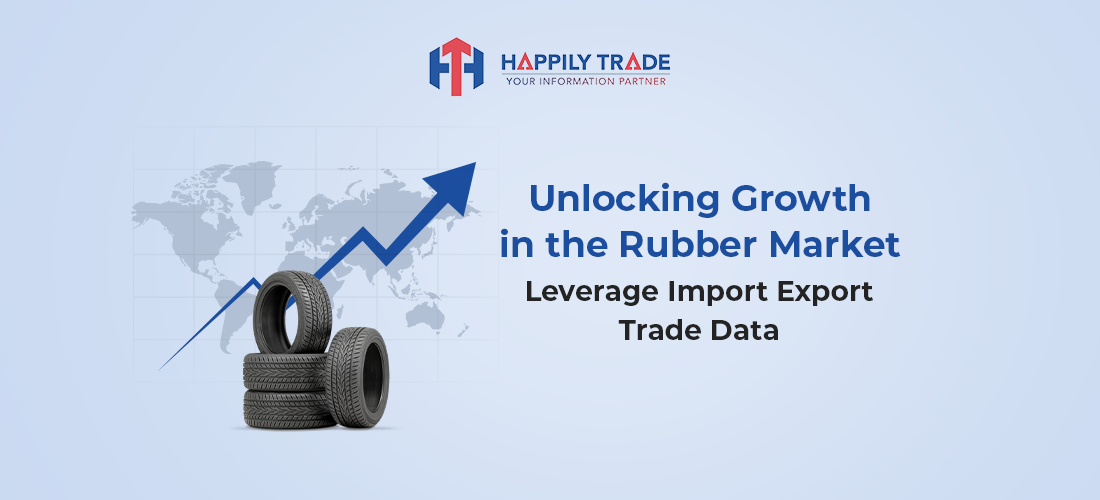
The global rubber market is poised for significant expansion, with a projected value of $65.65 billion by 2030, up from $46.95 billion in 2023. This growth reflects the ever-increasing demand for rubber across various industries.
The Asia Pacific region holds a commanding position as the world's largest consumer of natural rubber. This dominance is fueled by key suppliers such as Thailand, Indonesia, and Malaysia, with Vietnam emerging as a promising new source. Thailand, in particular, is the undisputed global leader in rubber production, contributing nearly 30% of the total output. Significant rubber producers include Vietnam, India, Malaysia, the Philippines, Côte d'Ivoire, Sri Lanka, and Cameroon. This diverse landscape of producers ensures a steady supply of this vital material to meet global demands.
Growth Drivers Propelling the Rubber Market
The global rubber market is projected to witness significant growth in the coming years, fueled by several key factors:
-
Rising Vehicle Production
The increasing demand for automobiles, particularly in developing economies, is a major growth driver for the rubber market. Tires represent the largest segment within the rubber industry, and rising vehicle production directly translates to a higher demand for tires.
-
Infrastructure Development
Ongoing infrastructure projects worldwide, including new roads, bridges, and buildings, require significant rubber for construction. Import export trade data can provide insights into the specific types and quantities of rubber used in various regions for infrastructure development.
-
Expanding Healthcare Sector
The growing healthcare sector globally necessitates a constant supply of medical gloves, catheters, and other rubber-based medical equipment. Import export trade data can help identify regions with the highest demand for specific medical-grade rubber products.
-
Green Initiatives
The increasing focus on sustainability drives the demand for green tires and other eco-friendly rubber products. Import export data can reveal trade patterns for these sustainable rubber products across various countries.
Challenges on the Road Ahead
Despite the promising growth projections, the rubber market also faces some challenges:
-
Price Volatility
Due to weather conditions and geopolitical instability in major rubber-producing regions, natural rubber prices can fluctuate significantly.
-
Supply Chain Disruptions
Global supply chain disruptions can lead to shortages of raw materials and finished rubber products. Import export trade data can be a valuable tool for monitoring supply chain disruptions and identifying alternative sources for rubber.
-
Sustainability Concerns
The environmental impact of synthetic rubber production and the depletion of natural rubber resources pose sustainability concerns.
Import Export Trade Data: Navigating the Rubber Market Landscape
In today's dynamic global market, trade data empowers companies with valuable insights for informed decision-making. Here's how:
-
Market Research
Import export trade data provides a comprehensive picture of global rubber trade flows. Analyzing this data helps companies identify key markets for importing raw materials or exporting finished rubber products.
-
Competitive Analysis
Companies can gain valuable insights into their competitors' sourcing strategies and target markets by analyzing import export trade data.
-
Demand Forecasting
Import export trade data helps companies forecast future demand for specific types of rubber products in different regions. This allows them to adjust production plans and optimize inventory management.
-
Pricing Strategies
Analyzing trade data on rubber prices across different countries allows businesses to develop informed product pricing strategies.
-
Identifying New Opportunities
Import export trade data can reveal emerging markets with high growth potential for the rubber industry. This can help companies identify new business opportunities and expand their reach.